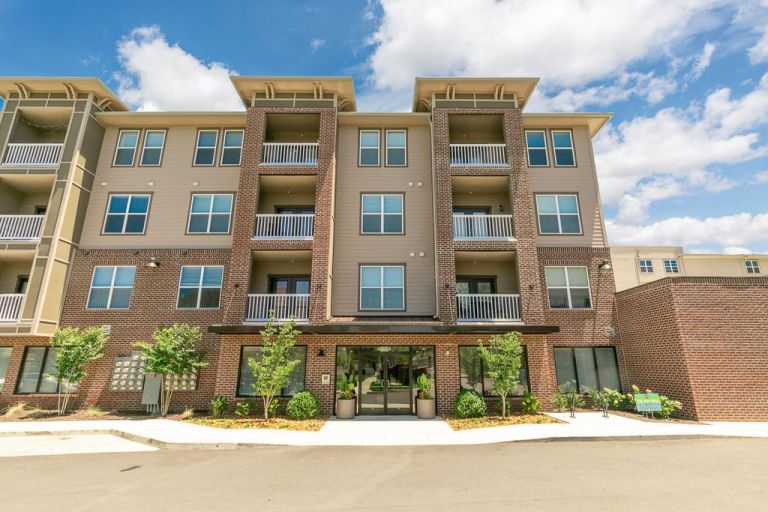
Common areas shape how residents, visitors, vendors, and property teams experience a multi-family building. They also collect different types of traffic throughout the day. A lobby may need presentation-focused attention, while stairs, elevators, mail areas, shared rooms, and entry paths may need a schedule built around frequent use.
A practical cleaning plan begins by defining the common areas that are included. It should not assume that private units, tenant-controlled spaces, or every building in a portfolio are part of the same scope.
Build a Common-Area Inventory
Walk each property and list the shared spaces the management team wants included. Depending on the building, that list may contain:
- Entrances, vestibules, and lobby areas
- Corridors and interior walkways
- Stairwells and landings
- Elevators and elevator approaches
- Mail or package areas
- Shared restrooms
- Management or leasing spaces
- Community, meeting, or amenity rooms
- Laundry or other shared service rooms
- Interior glass, doors, and reachable windows
- Trash collection points included in the service scope
Use the actual property layout rather than a standard template. If a room is controlled by a tenant, vendor, or separate department, note who can authorize access.
Match Frequency to Traffic and Visibility
Common areas do not all need the same frequency. An entrance may receive steady traffic while a meeting room is used only at certain times. The schedule should reflect resident activity, deliveries, tours, vendor access, staff presence, and the property’s presentation priorities.
Separate tasks into practical groups:
- Work needed each service visit
- Work performed weekly or on a rotating schedule
- Periodic detail work
- Condition-based or special-event work
This structure gives the property manager a clear way to compare the approved scope with what the building actually needs.
Define High-Priority Touchpoints and Surfaces
Doors, handles, elevator controls, railings, counters, shared tables, and other frequently used surfaces may need consistent attention. Floors near entrances can also carry soil into corridors and lobbies.
The plan should name the areas and tasks rather than relying on broad language such as “clean common spaces.” A precise scope makes service easier to review and reduces disagreements about what a visit includes.
For floors and carpets, record surface types and areas of visible wear. Routine vacuuming, sweeping, or mopping may follow one schedule, while periodic carpet care or floor finishing follows another.
Coordinate Access Without Entering Private Areas
Multi-family properties can have controlled doors, occupied corridors, staff-only rooms, elevators, parking restrictions, and vendor sign-in requirements. Document the access process before service begins.
The cleaning scope should distinguish common areas from private units. If a property needs unit-turnover or project cleaning, treat that as a separate scope with separate authorization, access, and timing. Do not assume access to an occupied residence.
Useful access details include:
- Approved entrances and parking locations
- Keys, fobs, or sign-in procedures
- Staff or after-hours contacts
- Elevator use and loading rules
- Restricted rooms
- Resident-event schedules
- Delivery or vendor windows
- Instructions for reporting a blocked or unavailable area
Create a Simple Communication Process
Property conditions change. A delivery may block a hallway, a shared room may be reserved, or maintenance work may affect an area. The property manager and cleaning provider need a simple way to document those conditions.
Choose one primary contact and a backup. Define how the cleaning team reports damage noticed before work, access problems, unexpected buildup, or an area outside the approved scope. Scope changes should be approved rather than handled through assumptions.
A periodic review can compare the written plan with current building use. If traffic, tenants, access, or property priorities change, revise the scope and schedule.
Prepare for a Walkthrough
Before an estimate or planning walkthrough, gather:
- Building and floor count
- A list of included common areas
- Surface and flooring notes
- Approximate service frequency under consideration
- Current photos where helpful
- Access and operating information
- Known high-traffic periods
- Management priorities
- Any separate project or turnover needs
Ask the final scope to identify included buildings, rooms, tasks, frequencies, exclusions, and periodic work.
Frequently Asked Questions
Are private apartments included in common-area cleaning?
No, not unless a separate authorized scope explicitly includes a vacant unit or another approved private space. Common-area service should identify the shared spaces it covers.
Should every common area be cleaned at the same frequency?
Not necessarily. Frequency should reflect traffic, visibility, use, condition, and the property’s priorities.
How should a property handle turnover cleaning?
Treat turnover work as a separate project or clearly separated scope. Confirm access, vacancy, surfaces, timeline, and the result needed before work begins.
Plan Common-Area Cleaning With Maidman
Maidman Commercial Cleaning supports property managers and commercial facilities in Nashville and Middle Tennessee. Review janitorial services in Nashville, explore commercial cleaning, or request an estimate for a specific property.
The Building Maintenance Cleaning & Estimate Prep guide provides a companion walkthrough checklist.